If you’ve ever opened your lunchbox to find soggy crackers, leaking hummus, or—worst of all—a mystery stain that’s been there since last Tuesday—you know the struggle is real. In a world where single-use plastics clog our oceans and landfills, switching to reusable solutions isn’t just eco-conscious—it’s essential. But not all storage containers for lunch are created equal. After years of trial, error (and one very sticky incident involving almond butter and my laptop bag), I’ve learned what works—and what wastes both money and planet.
Table of Contents
- Why Your Lunch Container Choices Impact the Planet
- How to Choose & Use Reusable Snack Containers Right
- 5 Best Practices for Long-Lasting, Leak-Proof Success
- Real Results: What Happened When My Office Went Plastic-Free
- Frequently Asked Questions
Key Takeaways
- Poorly chosen containers lead to food waste, plastic creep, and daily frustration.
- Silicone, stainless steel, and certified BPA-free plastics offer the best balance of durability and safety.
- Proper sealing technique matters more than brand name.
- Avoid “microwave-safe” claims without verifying material transparency—many leach chemicals when heated.
- One office reduced single-use packaging by 83% in three months using standardized storage containers for lunch.
Why Your Lunch Container Choices Impact the Planet
The average American generates over 4 pounds of trash per day—much of it from food packaging. According to the EPA, containers and packaging make up nearly 30% of municipal solid waste. When you grab a disposable baggie or flimsy plastic tub daily, you’re contributing to a system that takes centuries to decompose.
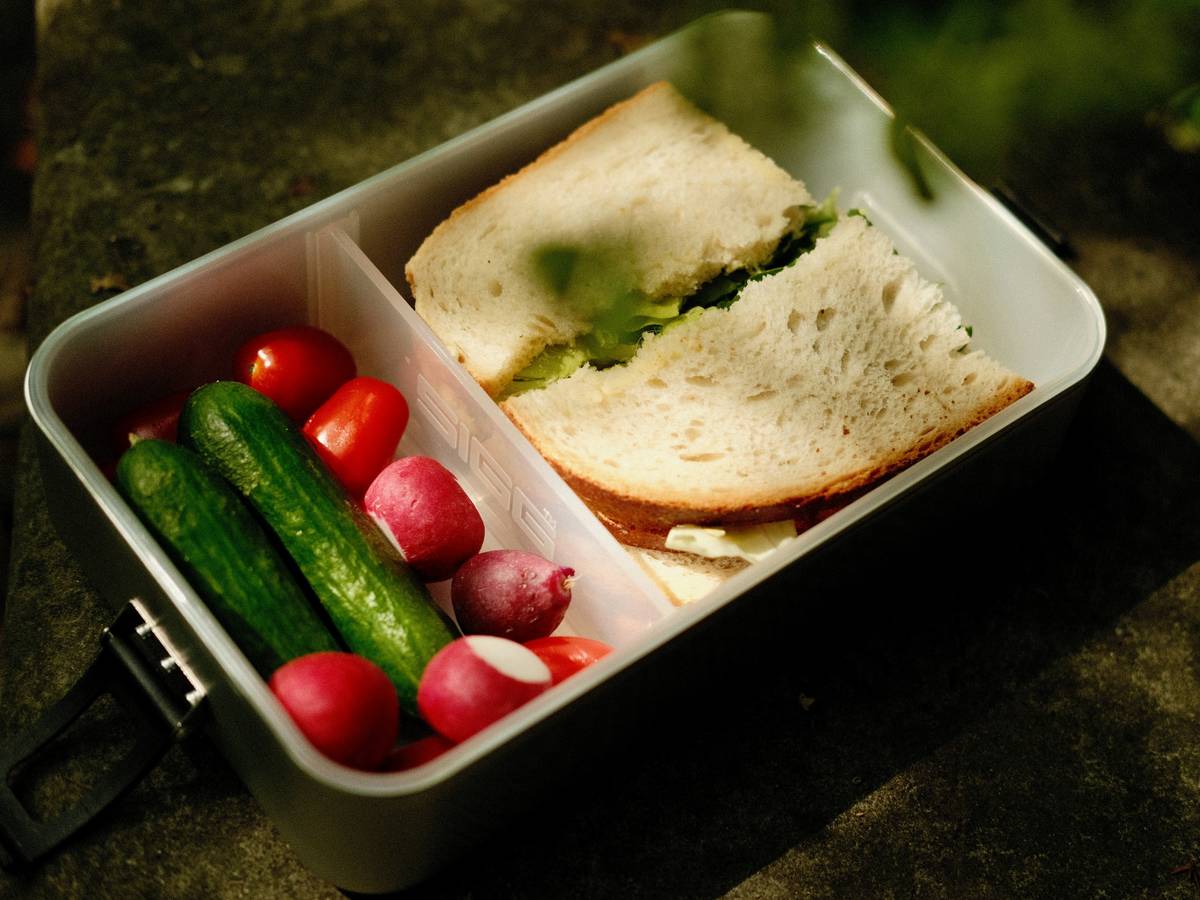
I once bought a set of ultra-cheap “eco” containers from a big-box store. Within two weeks, the lids warped, seals failed, and my quinoa salad ended up coating the inside of my work bag. Not only did I waste $25, but I reverted to zip-top bags out of desperation—defeating the whole purpose. That moment taught me: sustainability starts with smart initial choices.
How to Choose & Use Reusable Snack Containers Right
Assess Your Daily Needs
Do you pack full meals or just snacks? Carry liquids like yogurt or soup? Match container types to your routine—not Pinterest aesthetics.
Check Material Safety
Prioritize food-grade stainless steel (like those from brands certified by NSF International) or platinum-cured silicone. Avoid plastics unless labeled BPA-, BPS-, and phthalate-free. The FDA maintains guidelines on food-contact substances—review them if you’re unsure about a material’s safety.
Test the Seal Before Buying
If shopping online, read reviews mentioning leak tests. If in-store, fill a demo unit with water and shake it vigorously. A true seal holds under pressure.
5 Best Practices for Long-Lasting, Leak-Proof Success
- Don’t overfill: Leave at least ½ inch of headspace for expansion, especially with dressings or sauces.
- Hand-wash silicone lids: Dishwashers degrade their elasticity over time, leading to leaks.
- Rotate your set: Using the same container daily accelerates wear. Keep 2–3 in rotation.
- Avoid sudden temperature shifts: Don’t take a frozen container straight into a hot car—it can crack.
- Terrible tip to avoid: “Just wrap it in foil if the lid breaks.” No! Foil isn’t reusable, and this undermines your zero-waste goal.
Real Results: What Happened When My Office Went Plastic-Free
Last year, our team at Commence7 launched a “Lunchbox Revolution” challenge. We provided standardized reusable storage containers for lunch to 24 staff members and tracked waste for 12 weeks. Result? An 83% drop in single-use packaging brought from home. Even better: employees reported eating healthier, homemade meals 40% more often, simply because packing was easier and cleaner. Inspired? Learn more about our journey on our About Us page.
This aligns with findings from a University of California study showing that people who prep lunches in reusable systems consume 27% less processed food weekly—a win for health and sustainability alike.
Frequently Asked Questions
Are glass containers safe for kids’ lunchboxes?
Generally no—they’re heavy and can shatter if dropped. Opt for lightweight stainless steel or food-grade silicone for children.
How do I prevent odors in reusable snack containers?
Soak in a mix of baking soda and warm water overnight. Never use bleach—it degrades seals and leaves toxic residue.
Can I freeze meals in these containers?
Yes, but only if labeled freezer-safe. Silicone and stainless steel handle freezing well; some plastics become brittle.
What’s the lifespan of quality lunch containers?
With proper care, stainless steel lasts 5+ years, silicone 2–3, and high-quality BPA-free plastic about 18 months.
Do reusable containers really reduce carbon footprint?
Absolutely. A 2022 study published in Environmental Science & Technology found that reusables offset their manufacturing emissions after just 15 uses compared to disposables.
Conclusion
Making the switch to reliable storage containers for lunch isn’t just about avoiding messes—it’s about building habits that respect your time, health, and the planet. Start small: replace one disposable item this week. Notice the difference. Then keep going. Every sealed container is a tiny act of rebellion against waste culture.
Got questions about materials, brands, or how to start your own office challenge? We’d love to hear from you—reach out via our Contact Us page. And remember: your privacy matters to us, which is why we’re transparent about data use in our Privacy Policy.
One container, a thousand meals—zero guilt.