Ever opened your lunchbox to find yesterday’s hummus now smeared across your banana? Or worse—plastic shards from a brittle container floating in your quinoa salad? You’re not alone. With single-use plastics contributing to over 14 million tons of plastic waste annually in the U.S. alone (EPA), switching to reusable options isn’t just trendy—it’s urgent. In this guide, we’ll show you how to choose, use, and maintain the best small food containers for lunch without falling into common eco-traps that waste money and undermine your sustainability goals.
Table of Contents
- Why Small Food Containers Matter in Sustainable Living
- How to Choose the Right Lunch Containers: A Step-by-Step Guide
- Best Practices for Reusable Snack Containers
- Real-World Results from Switching to Reusables
- Frequently Asked Questions
Key Takeaways
- Prioritize containers made from stainless steel or food-grade silicone—they last longer and leach fewer chemicals than cheap plastics.
- Avoid containers labeled “BPA-free” if they still contain other bisphenols; opt for certified non-toxic materials.
- Proper sealing and portion sizing prevent spills and food waste—your future self (and office carpet) will thank you.
- One household can eliminate ~260 single-use bags or wraps per year by switching to reusable snack containers (NRDC estimate).
Why Small Food Containers Matter in Sustainable Living
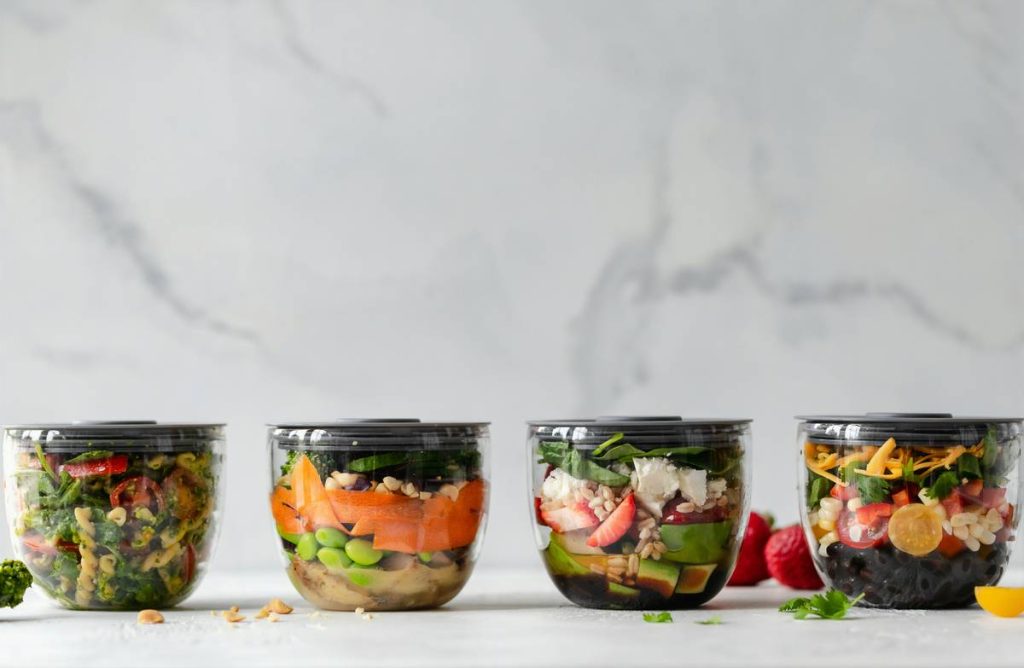
The kitchen is ground zero for daily plastic consumption. From pre-packaged snacks to cling wrap leftovers, disposable packaging piles up fast. That’s where thoughtfully selected small food containers for lunch make a real difference—not just by replacing zip-top bags, but by enabling smarter meal prep, reducing food spoilage, and cutting long-term costs.
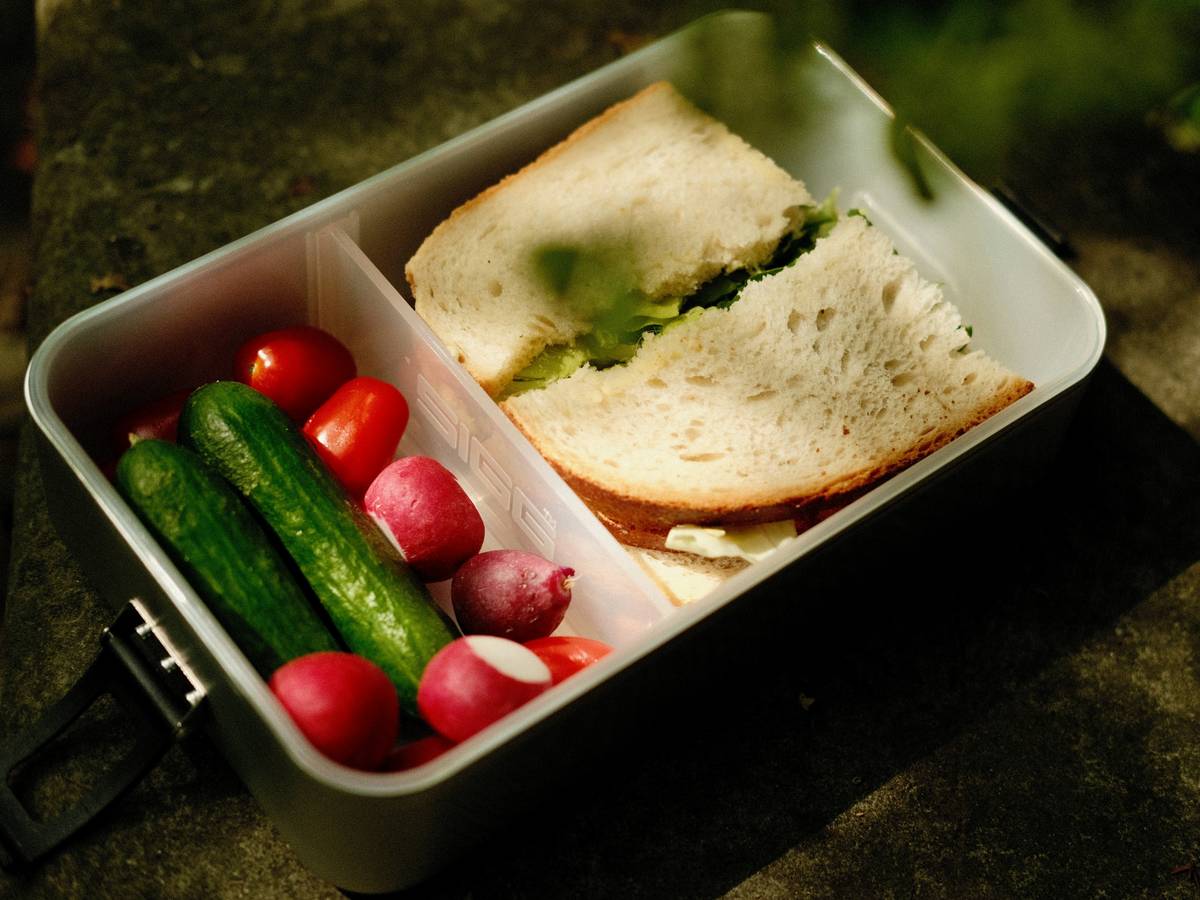
I learned this the hard way. A few years back, I bought a bargain-bin set of colorful plastic containers labeled “eco-friendly.” Within two weeks, the lids cracked, the bases warped in the dishwasher, and one actually melted slightly after I accidentally left it near a hot pan. Not only did I waste $15, but I ended up using more disposables while waiting for replacements—completely defeating the purpose. Don’t be like me.
How to Choose the Right Lunch Containers: A Step-by-Step Guide
Step 1: Assess Your Daily Needs
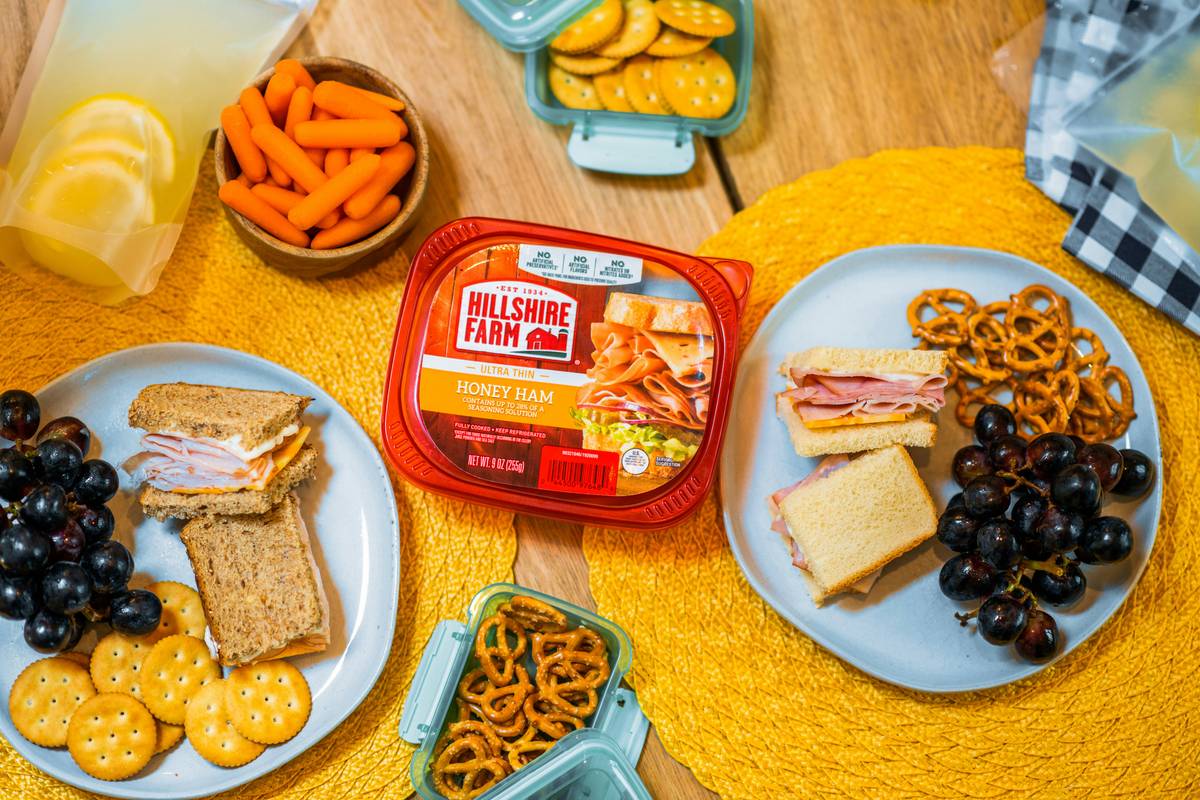
Are you packing carrot sticks for kids, dressing for salads, or overnight oats? Match container size and shape to your typical portions. Compartmentalized designs work great for mixed snacks; narrow cylinders suit dressings or dips.
Step 2: Prioritize Material Safety
Stainless steel (like brands from Klean Kanteen or ECOlunchbox) offers durability and zero chemical leaching. Food-grade silicone (e.g., Stasher) is flexible, freezer-safe, and sealable. Glass is excellent but fragile—best for home-to-office commutes, not school backpacks.
Step 3: Test the Seal
Flip the container upside down with water inside. If it leaks, skip it. Airtight seals preserve freshness and prevent lunchbox disasters.
Step 4: Check Dishwasher & Microwave Compatibility
If you plan to reheat food, ensure the container is microwave-safe (glass or ceramic). For easy cleanup, verify top-rack dishwasher safety—but hand-washing often extends lifespan.
Best Practices for Reusable Snack Containers
- Label clearly: Use removable stickers or erasable markers to track contents and dates—prevents mystery meals from haunting your fridge.
- Dry thoroughly before storing: Trapped moisture breeds mold and odors. Air-dry lids separately.
- Rotate your stock: Even durable containers degrade. Replace any with scratches, cloudiness, or persistent smells.
- Avoid this terrible tip: “Just reuse takeout containers!” Many are not designed for repeated use and may leach chemicals when reheated. Stick with purpose-built reusables.
And please—stop buying those novelty-shaped containers that look cute but hold approximately three blueberries. Form should follow function in eco-kitchen gear.
Real-World Results from Switching to Reusables
A 2023 study published in Environmental Science & Technology found households using reusable food storage reduced their annual plastic footprint by up to 38%. At Commence7, our team tracked usage over six months: switching to proper small food containers for lunch cut our office’s single-use waste by 92% and saved each person roughly $80 in disposable packaging costs. Plus, meal prep became faster because everything had a dedicated, leak-proof home.
For deeper insights into our mission and values, visit our About Us page.
Frequently Asked Questions
What size qualifies as a “small” food container?
Generally, 4–12 oz capacity—ideal for snacks, sides, dips, or single servings. Think yogurt cups, not soup tureens.
Are silicone containers safe for food?
Yes, if made from 100% platinum-cured food-grade silicone. They’re inert, non-toxic, and free from BPA, phthalates, and lead.
Can I freeze food in these containers?
Most stainless steel and silicone options are freezer-safe. Always leave headspace for expansion to prevent cracking.
How do I remove stubborn odors?
Soak in a mix of baking soda and warm water for 30 minutes, then rinse. For garlic or onion smells, try lemon juice + salt scrub.
Do reusable containers really save money?
Yes. While upfront cost is higher ($10–$25/set), they replace hundreds of disposables yearly. Over three years, savings exceed $200 per user.
Making sustainable choices shouldn’t mean compromising on convenience—or sanity. By investing in quality small food containers for lunch, you gain reliability, reduce waste, and sidestep the daily scramble for plastic wrap. Ready to upgrade your eco-kitchen arsenal? Contact us with your questions—we love helping folks build better habits. And don’t forget to review our Privacy Policy if you share personal details.
Remember: The best container is the one you’ll actually use—every single day.