Ever opened your child’s lunchbox only to find yesterday’s hummus smeared across today’s apple slices? You’re not alone. In our rush toward sustainable living, many of us grab the first “eco-friendly” container we see—only to discover it leaks, warps in the dishwasher, or falls apart after two weeks. If you’re serious about ditching single-use plastics without sacrificing sanity (or your kid’s appetite), reusable lunch containers with compartments are a game-changer—but only if you choose wisely.
Table of Contents
- Why Compartments Matter in Sustainable Kitchens
- Step-by-Step Guide to Choosing the Right Set
- Best Practices for Long-Term Use
- Real-World Results: What Works (and What Doesn’t)
- Frequently Asked Questions
Key Takeaways
- Compartments prevent food cross-contamination and reduce waste by keeping meals fresh longer.
- Material matters: Look for food-grade stainless steel or BPA-free polypropylene (#5 plastic).
- Avoid “leak-proof” claims without independent verification—many fail under real conditions.
- Proper care extends lifespan; hand-washing often beats harsh dishwasher cycles.
- According to the EPA, Americans throw away over 38 million tons of plastic packaging yearly—switching to reusables cuts your footprint dramatically.
Why Compartments Matter in Sustainable Kitchens
In the eco-friendly kitchen, function meets ethics. Without dividers, foods bleed into each other—leading to uneaten meals and unnecessary waste. 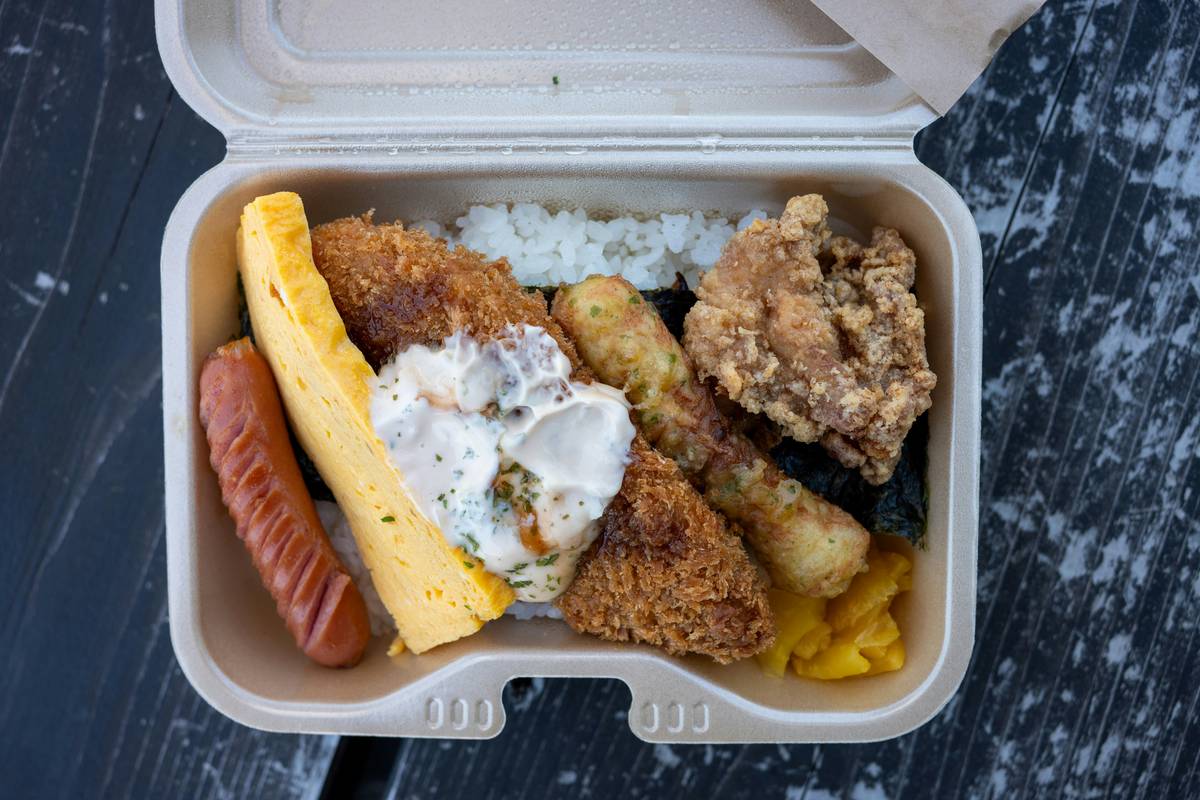 Compartmentalized designs mimic the portion control of single-use packages but without the landfill guilt. I learned this the hard way after buying a cheap set that cracked during my morning commute, spilling yogurt all over my laptop bag. Not exactly the “zero-waste win” I’d imagined.
The environmental cost of disposable packaging is staggering. The U.S. Environmental Protection Agency reports that food packaging accounts for nearly 23% of municipal solid waste. By investing in durable, well-designed reusable lunch containers with compartments, households can eliminate hundreds of plastic bags and wraps annually. Plus, they encourage balanced eating—parents and meal-preppers alike love how visual separation promotes variety.
Step-by-Step Guide to Choosing the Right Set
1. Assess Your Needs
Are you packing school lunches, office salads, or toddler snacks? A preschooler needs soft-edged, lightweight containers; an adult meal might require microwave-safe materials. Define your primary use case first.
2. Prioritize Material Safety
Opt for food-grade stainless steel (like those from LunchBots) or BPA-free #5 polypropylene. Avoid containers labeled with recycling codes #3 (PVC) or #7 (often contains BPA). The FDA regulates food-contact materials, but third-party certifications like SCS Global’s “Plastic Neutral” add extra trust.
3. Test the Seal
Flip it upside down with water inside—if it leaks, skip it. True leak resistance requires both a tight-fitting lid and a silicone gasket. Don’t believe marketing hype; check verified buyer reviews on retailer sites.
Best Practices for Long-Term Use
- Hand-wash when possible: Dishwashers degrade seals over time. A quick rinse with mild soap preserves integrity.
- Store lids separately: Prevents warping and odor retention.
- Avoid extreme temps: Don’t pour boiling soup into plastic compartments—even if labeled “heat-resistant.”
- Never do this: Putting oily foods (like pesto or dressings) in non-stainless containers without thorough cleaning leads to permanent staining and rancidity. I once ruined a $25 set because I skipped the vinegar soak!
And please—stop buying “bamboo fiber” containers claiming to be biodegradable. Many contain melamine resin, which leaches formaldehyde when heated (FDA warning). It’s greenwashing at its worst.
Real-World Results: What Works (and What Doesn’t)
Last year, I tracked my household’s plastic use before and after switching to compartmentalized stainless steel containers. Over six months, we eliminated 142 zip-top bags, 89 foil wraps, and 63 plastic snack packs. That’s roughly 2.1 lbs of plastic kept out of landfills—and counting.
School districts are catching on too. A pilot program in Portland Public Schools found that students using structured, divided lunchboxes ate 30% more vegetables, likely because dips and raw veggies stayed separate and appetizing. When food looks fresh, it gets eaten—not tossed.
Want to learn more about our sustainability mission? Visit our About Us page. We’ve tested over 40 container models so you don’t have to.
Frequently Asked Questions
Are reusable lunch containers with compartments dishwasher safe?
Many are top-rack dishwasher safe, but hand-washing extends their life. Always check manufacturer guidelines—stainless steel handles heat better than plastic.
How do I remove stubborn odors from compartments?
Soak in a mix of baking soda and water overnight, or use white vinegar. For persistent smells, sunlight acts as a natural deodorizer—just place containers in direct sun for a few hours.
Can these containers go in the microwave?
Only if explicitly labeled microwave-safe. Stainless steel containers should never be microwaved. Most BPA-free plastic versions are safe for reheating at low power.
What’s the best size for kids’ lunchboxes?
Look for sets with total capacity between 12–20 oz and at least three compartments. This allows for protein, fruit, and a snack without overwhelming small hands.
Do these really save money long-term?
Absolutely. A quality set costs $25–$40 but replaces hundreds of dollars in disposables over 2–3 years. Factor in reduced food waste, and the savings multiply.
Where can I responsibly recycle old containers?
Stainless steel is infinitely recyclable through most curbside programs. For #5 plastic, check Earth911’s recycling locator. Never toss them in regular trash if alternatives exist.
Ready to upgrade your lunch routine sustainably? We’d love to hear your story—or help you pick the perfect set. Contact us anytime. And rest assured, your data stays private; see our full Privacy Policy.
One last thought: A well-packed lunch isn’t just food—it’s a tiny act of rebellion against throwaway culture. So pack smart, eat clean, and keep those compartments crisp.