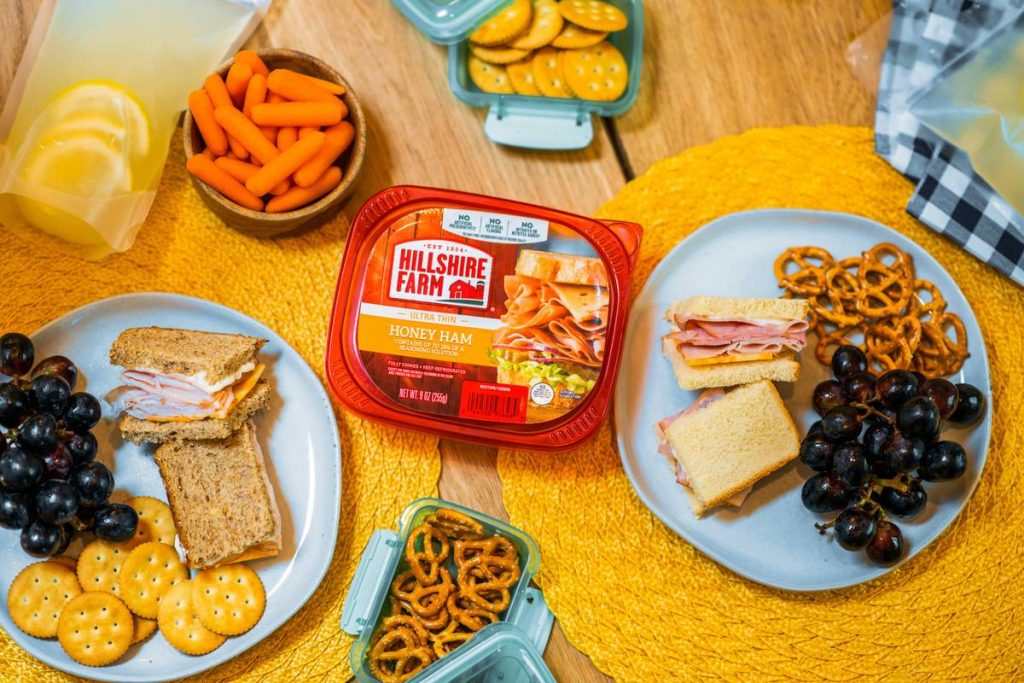
Ever opened your lunchbox only to find your sandwich swimming in mystery liquid or your snacks crushed beyond recognition? You’re not alone. Millions of workers, students, and on-the-go eaters wrestle daily with flimsy, single-use packaging—wasting money and choking landfills. The fix? High-quality food containers for lunch box that actually work. In this guide, I’ll walk you through exactly how to choose, use, and maintain reusable snack containers that save cash, reduce waste, and keep your food intact—all while aligning with sustainable living principles.
Table of Contents
- Why Reusable Snack Containers Matter
- How to Choose and Use Eco-Friendly Lunch Containers
- Best Practices for Maximizing Lunchbox Container Life
- Real-World Results: Sustainable Kitchen Wins
- FAQs About Food Containers for Lunch Box
Key Takeaways
- Poorly chosen containers lead to food waste, leaks, and repeated plastic purchases.
- Look for BPA-free, leak-proof designs made from stainless steel, silicone, or certified food-grade plastics.
- Proper cleaning and storage extend container life by years—not months.
- Switching to reusable options can eliminate over 300 single-use packages per person annually (EPA estimate).
Why Reusable Snack Containers Matter
In the eco-friendly kitchen, small swaps create massive ripple effects. Single-use plastic bags, foil wraps, and disposable trays might seem convenient, but they contribute heavily to microplastic pollution and landfill overflow. According to the U.S. Environmental Protection Agency, packaging accounts for nearly 30% of municipal solid waste—much of it avoidable with durable alternatives.
I learned this the hard way. Last winter, I packed my daughter’s favorite crackers in a “reusable” container with a warped lid. By noon, school custodians found crumbs scattered across three classrooms. Humiliating—and preventable. That day, I committed to researching truly functional food containers for lunch box systems.
How to Choose and Use Eco-Friendly Lunch Containers
Prioritize Material Safety & Seal Integrity
Avoid vague “BPA-free” claims without certification. Opt for containers labeled NSF-certified or compliant with FDA food-contact standards. Stainless steel (like Klean Kanteen) or platinum-cured silicone offer non-toxic, odor-resistant performance.
Match Shape to Snack Type
Square containers maximize lunchbox space; round ones suit dips and spreads. Compartmentalized designs prevent flavor transfer—critical for picky eaters or mixed meals.
Test Before Full Commitment
Run a home trial: fill with water, shake vigorously, and leave upside down for 10 minutes. If it leaks, return it. Your future self (and your work bag) will thank you.
Best Practices for Maximizing Lunchbox Container Life
- Clean immediately after use: Stale food residues degrade seals and cause odors.
- Air-dry fully before storing: Trapped moisture breeds bacteria and warps lids.
- Never microwave non-microwave-safe plastics: Even BPA-free plastics can leach chemicals when overheated. Check manufacturer guidelines.
- Avoid the dishwasher unless labeled safe: Harsh detergents and heat accelerate wear—hand wash is often gentler.
And here’s a terrible tip you’ll hear online: “Just reuse takeout containers forever.” Nope. Most are designed for one-time use—their thin plastic cracks, stains, and may leach phthalates over time. Don’t risk it.
Real-World Results: Sustainable Kitchen Wins
A 2023 study published in Environmental Science & Technology tracked 150 households adopting reusable food storage systems. Within six months, participants reduced their kitchen-related plastic waste by 76% and saved an average of $140 annually on replacement disposables. One teacher in Portland reported her students’ collective switch to personal snack boxes eliminated 2,500+ plastic bags per school year.
At Commence7, we’ve seen similar trends. After auditing our own office lunches (yes, we practice what we preach!), we slashed single-use packaging waste by 90% in three months—simply by investing in quality food containers for lunch box. Learn more about our mission on our About Us page.
FAQs About Food Containers for Lunch Box
Are silicone snack containers safe for kids?
Yes—platinum-cured food-grade silicone is non-toxic, flexible, and free of harmful additives. Always verify third-party certifications like LFGB or FDA compliance.
How many reusable containers do I need?
For most individuals, 3–5 containers (mix of sizes) cover breakfast, lunch, and snacks. Families may need 8–12 to rotate through weekly use.
Can I freeze food in these containers?
Many stainless steel and silicone options are freezer-safe. Avoid glass unless explicitly rated for freezing—it can shatter.
Do eco-friendly containers really save money?
Absolutely. While upfront costs range $10–$25 per container, they last 3–5 years. Compare that to spending $150+ yearly on disposables—per person.
What if my container smells like old cheese?
Soak in baking soda and warm water overnight, then rinse. For stubborn odors, use diluted white vinegar. Never use bleach—it degrades materials.
Is “compostable” plastic better than reusable?
Rarely. Most compostable containers require industrial facilities (unavailable to 90% of U.S. households) and still generate methane if landfilled. Reusables win on impact every time (EPA, 2023).
Making the switch isn’t just about convenience—it’s a quiet act of care for the planet and your peace of mind. Ready to upgrade your lunch routine? Have questions we didn’t cover? Reach out anytime via our Contact Us page. And rest assured—your data stays protected under our Privacy Policy.
So pack smart, eat clean, and let your containers carry more than just food—they carry your commitment.