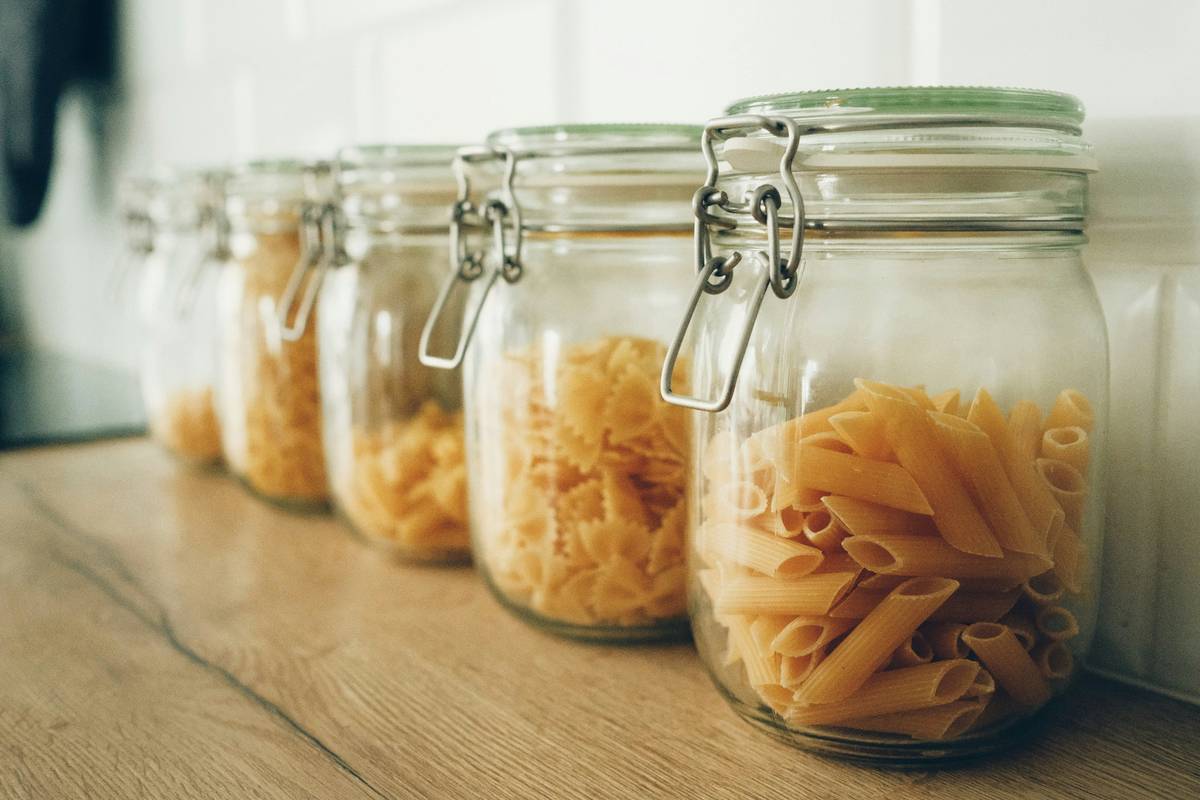
Ever opened your fridge only to find yesterday’s leftovers swimming in mystery liquid or your kid’s apple slices turned brown and soggy? You’re not alone. Millions of households unknowingly sabotage their sustainability goals—and their food—by using the wrong containers. If you’ve switched to reusable snack containers but still face leaks, odors, or waste, this guide is for you. We’ll walk through why eco friendly food storage containers matter, how to choose and use them right, and real-world wins that cut waste without compromising convenience.
Table of Contents
- Why Eco Friendly Food Storage Containers Matter in Sustainable Living
- Step-by-Step Guide to Choosing & Using Reusable Snack Containers
- Top Best Practices for Long-Lasting, Leak-Proof Performance
- Real-World Results: How One Family Slashed Kitchen Waste by 60%
- Frequently Asked Questions
Key Takeaways
- Not all “eco” containers are equal—material, seal quality, and design impact performance.
- Silicone lids and locking mechanisms drastically reduce leaks and spoilage.
- Proper cleaning prevents odor buildup—a common frustration with reusable options.
- Using eco friendly food storage containers correctly can eliminate weekly single-use plastic waste.
Why Eco Friendly Food Storage Containers Matter in Sustainable Living
The average American household throws away nearly 350 pounds of plastic annually, with food packaging making up a huge chunk. Reusable snack containers aren’t just trendy—they’re a frontline defense against microplastic pollution and landfill overflow. I learned this the hard way when I bought a set of cheap “bamboo fiber” containers that warped after one dishwasher cycle, leaked beet juice all over my work bag, and left a funky smell no amount of vinegar could fix. Total fail—and totally avoidable.
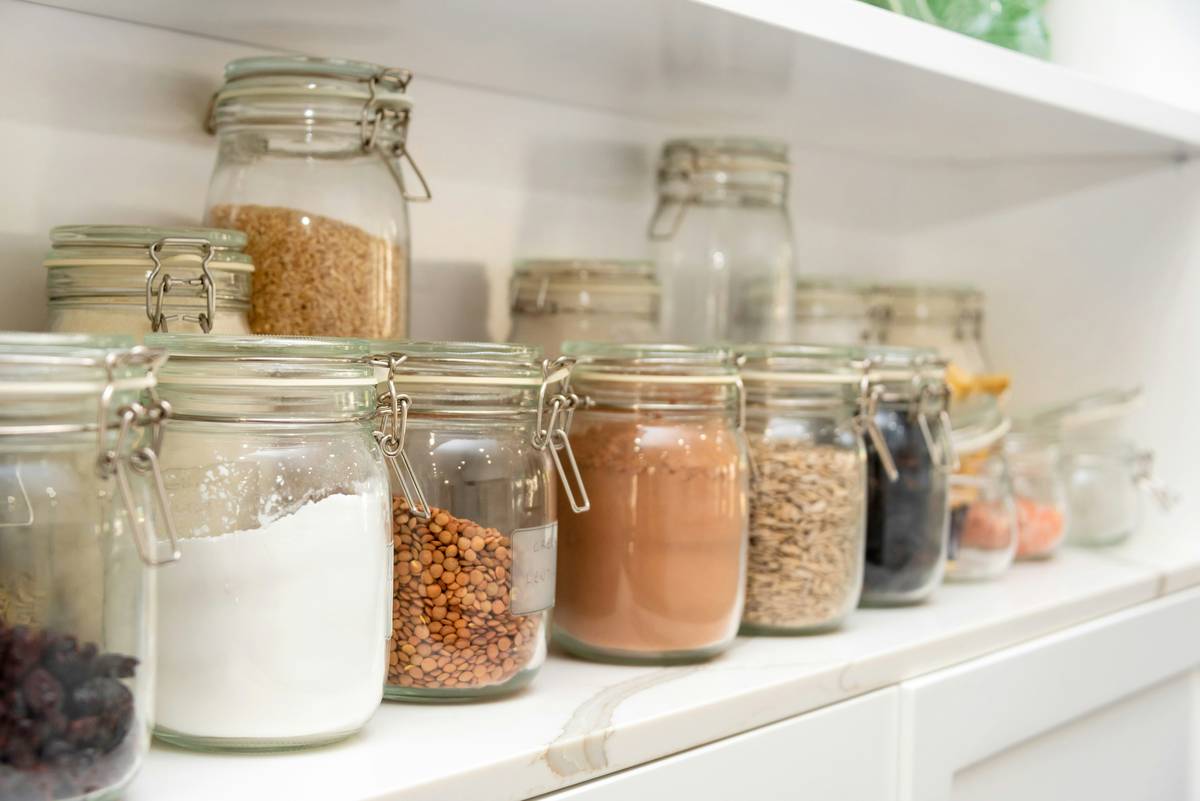
Step-by-Step Guide to Choosing & Using Reusable Snack Containers
1. Prioritize Material Safety
Look for BPA-free, food-grade stainless steel, glass, or platinum-cured silicone. Avoid containers labeled “bioplastic” unless certified compostable by BPI (Biodegradable Products Institute)—many degrade only in industrial facilities, not home bins.
2. Test the Seal
Press down on the lid—if it pops back up easily, skip it. Opt for containers with gaskets or dual-locking clips. My current favorite uses a three-point latch system that survived a toddler’s lunchbox drop test without a single crumb escaping.
3. Match Container to Use Case
Round containers = liquids (yogurt, dips). Rectangular = sandwiches, snacks. Stackable sets save cabinet space. Don’t try to force a square container into a round bento compartment—it leads to frustration and wasted food.
Top Best Practices for Long-Lasting, Leak-Proof Performance
- Dry thoroughly before sealing: Trapped moisture breeds bacteria and smells.
- Avoid extreme temperature swings: Don’t pour boiling soup into a cold glass container—it can shatter.
- Never microwave plastic—even if labeled “microwave-safe”: Heat accelerates chemical leaching. Transfer to glass instead.
- Toss if cracked or cloudy: Damaged surfaces harbor microbes. When in doubt, recycle responsibly via our team’s zero-waste program.
And here’s a terrible tip I once believed: “Just rinse and reuse!” Nope. Residual oils from nuts or avocado oxidize and cause permanent odors. Hand-wash with baking soda weekly for freshness.
Real-World Results: How One Family Slashed Kitchen Waste by 60%
The Martinez family of Austin tracked their kitchen trash for 30 days. Before switching to durable eco friendly food storage containers, they used 18 plastic bags and 6 disposable containers weekly. After investing in a 10-piece stainless steel set with silicone dividers, their single-use waste dropped to 3 items per week—all unavoidable packaging from store-bought bread and cheese. They saved $22/month on disposables and reported fewer spoiled snacks. Their secret? Labeling containers with chalk markers so nothing got forgotten in the back of the fridge.
This aligns with EPA data showing consistent use of reusables can reduce household food packaging waste by over 50% within two months. Sustainability isn’t about perfection—it’s about smart swaps that stick. For transparency about how we select products reviewed on this site, see our Privacy Policy.
Frequently Asked Questions
Are eco friendly food storage containers dishwasher safe?
Most stainless steel and glass versions are top-rack dishwasher safe, but hand-washing extends lifespan. Always check manufacturer guidelines—some silicone lids degrade with repeated high-heat cycles.
How do I remove stubborn odors from reusable containers?
Soak overnight in a mix of 1 cup water, 1 tbsp baking soda, and 1 tbsp white vinegar. Rinse thoroughly. For persistent smells, place a piece of activated charcoal inside and seal for 24 hours.
Can I freeze meals in these containers?
Yes—glass and stainless steel handle freezing well. Leave 1 inch of headspace for expansion. Avoid filling rigid plastic containers to the brim; they may crack.
What’s the most eco friendly material for snack containers?
Stainless steel wins for durability and recyclability. Glass is excellent but heavier and breakable. Silicone is flexible and long-lasting but harder to recycle curbside.
Do eco friendly food storage containers really save money?
Absolutely. A $35 set replacing $8/month in disposables pays for itself in under five months—with years of reliable use ahead.
Why do my containers still leak even when labeled “leak-proof”?
Overfilling or improper lid alignment is usually the culprit. Fill liquids only to the fill line (if marked), and ensure gaskets are clean and seated fully.
Making sustainable choices shouldn’t mean sacrificing function. With the right eco friendly food storage containers, you protect your food, your wallet, and the planet—one snack at a time. Ready to upgrade your kitchen routine? Contact us for personalized recommendations based on your family’s habits.
No more soggy crackers. No more guilt. Just crisp apples, dry crackers, and a cleaner conscience.