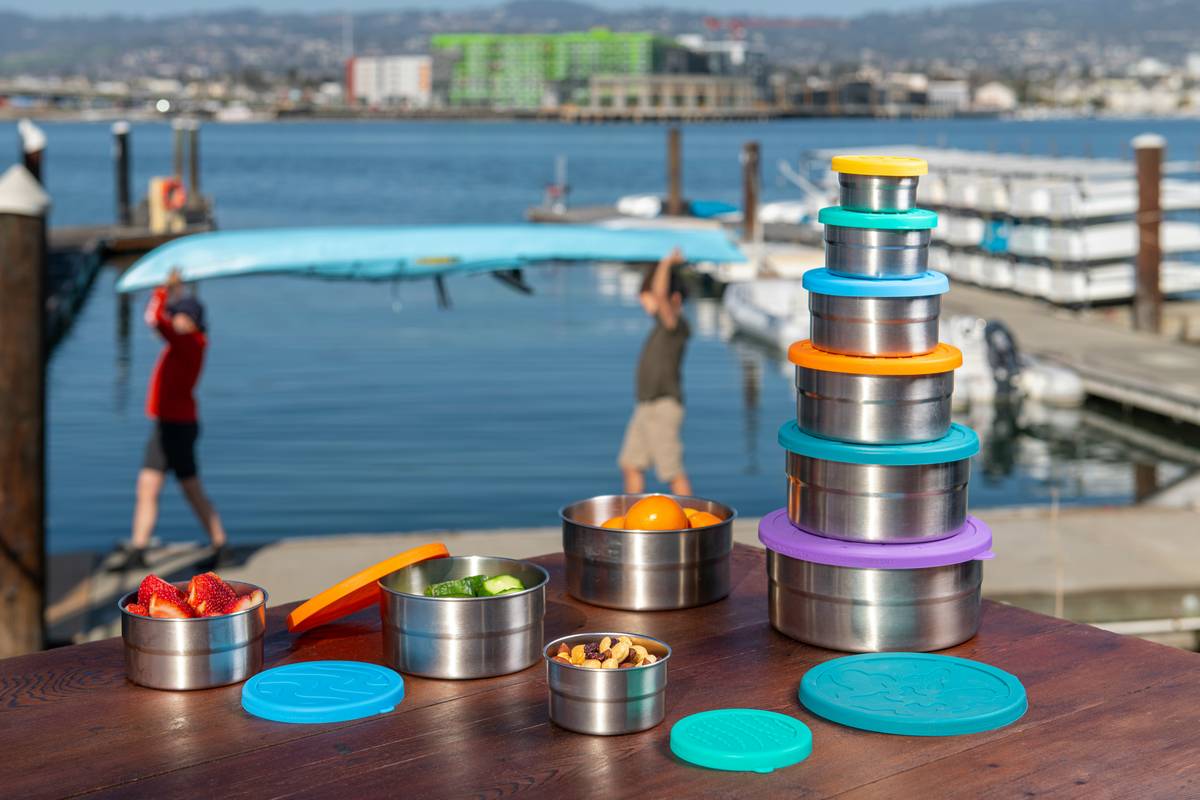
Ever packed a “zero-waste” lunch only to watch your reusable container warp in the microwave or leak all over your bag? You’re not alone. I once ruined a week’s worth of meal prep because I grabbed a flimsy silicone pouch labeled “eco-friendly”—only to discover it wasn’t food-safe at high temps. That stinky, wasted-food disaster taught me that not all sustainable to go containers are created equal. In this guide, we’ll cut through the greenwashing and show you how to choose, use, and maintain truly reliable options—saving money, food, and the planet.
Table of Contents
- Why Sustainable To Go Containers Matter
- How to Choose and Use Sustainable To Go Containers
- Best Practices for Long-Lasting Reusables
- Real-World Results from Switching
- Frequently Asked Questions
Key Takeaways
- Most single-use plastic containers take 450+ years to decompose—reusables drastically reduce landfill burden.
- Look for materials like stainless steel, glass, or certified food-grade silicone—not vague “bioplastic” claims.
- Avoid containers with hidden plastic linings or non-recyclable composite layers.
- Proper cleaning and storage prevent bacterial growth and extend lifespan by years.
- Switching just one lunch container daily can eliminate ~260 pieces of plastic waste annually.
Why Sustainable To Go Containers Matter
The average American generates over 4.9 pounds of trash per day—much of it from kitchen packaging and disposable food storage. When we grab a plastic clamshell for leftovers or toss a snack in a zip-top bag, we’re adding to a global crisis: the EPA estimates that only 5–6% of plastics are actually recycled in the U.S., with the rest ending up in landfills, oceans, or incinerators.
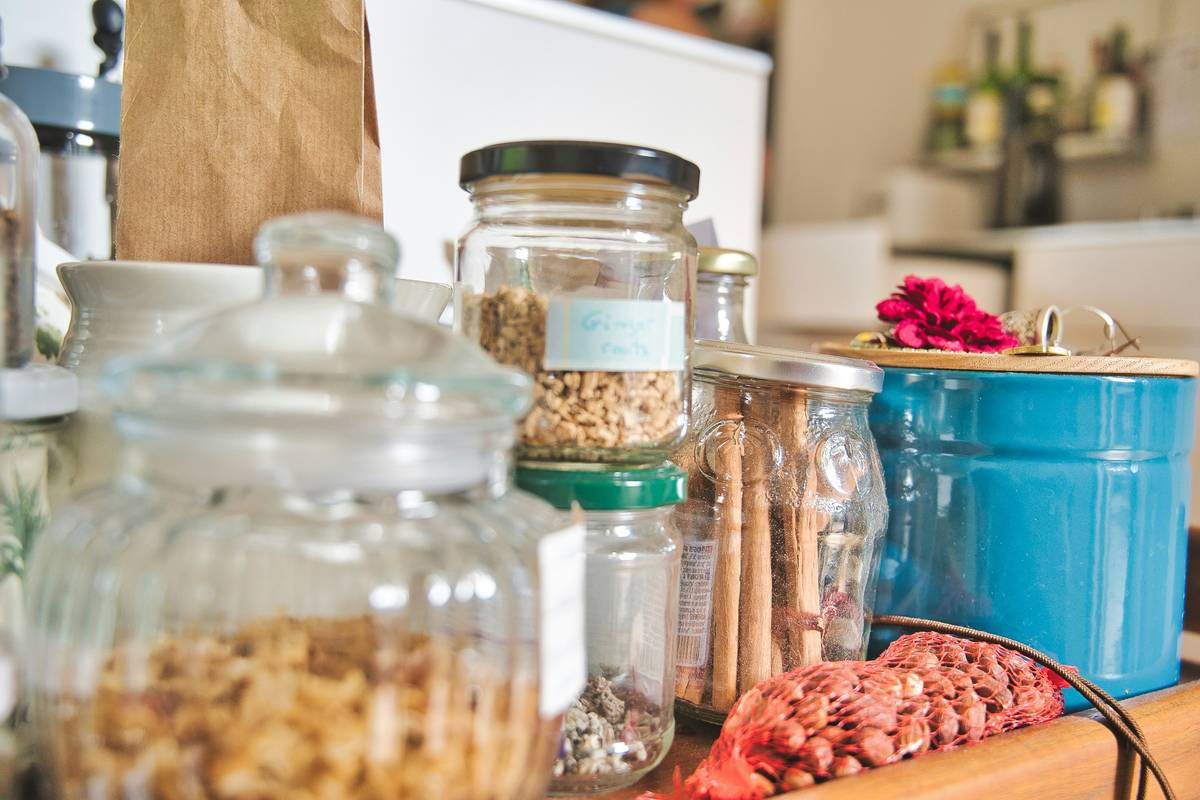
Reusable alternatives aren’t just symbolic—they deliver measurable impact. According to a lifecycle analysis by the U.S. Environmental Protection Agency, switching to durable food containers reduces greenhouse gas emissions by up to 80% compared to single-use equivalents over five years. Yet many consumers get tripped up by misleading labels like “compostable” (which often requires industrial facilities) or “BPA-free” (which doesn’t guarantee safety). True sustainability means durability, safety, and circularity—not just a green logo.
How to Choose and Use Sustainable To Go Containers
Pick the Right Material
- Stainless steel: Non-reactive, lightweight, and virtually indestructible. Ideal for wet or acidic foods.
- Glass: Microwave- and oven-safe, but heavier. Look for tempered versions with protective sleeves.
- Food-grade silicone: Flexible and collapsible—but verify it meets FDA or EU food contact standards.
Avoid These Hidden Traps
That “bamboo fiber” container? Often bonded with melamine resin—a toxic plastic that leaches formaldehyde when heated. Always check ingredient lists. And never assume “natural” means safe. I learned this the hard way after my kid got a rash from a supposedly “organic” lunchbox lining. Now I stick to brands that publish third-party lab reports.
Test for Leaks Before Trusting
Fill your new container with water, seal it, and flip it upside down over the sink. Wait 5 minutes. If it leaks, return it—no matter how cute it looks. A reliable sustainable to go container shouldn’t betray you mid-commute.
Best Practices for Long-Lasting Reusables
- Hand-wash silicone and bamboo lids—dishwasher heat degrades seals over time.
- Store with lids off to prevent mold buildup in crevices.
- Don’t microwave metal containers—obvious, but someone always tries.
- Replace cracked glass immediately—microfractures harbor bacteria.
- Use separate containers for raw meat and ready-to-eat foods to avoid cross-contamination.
Terrible tip alert: “Just rinse and reuse!” Nope. Residual oils and proteins feed bacteria—even in “clean-looking” containers. Scrub thoroughly with a bottle brush weekly.
Real-World Results from Switching
A 2023 study published in Environmental Science & Technology tracked 200 households transitioning from disposables to reusables for meal prep. After six months, participants reduced their kitchen plastic waste by 73% on average. One family reported saving $140 annually on replacement bags and containers. Beyond savings, users noted improved food freshness—glass and steel don’t absorb odors like plastic does.
At Commence7, our team has used the same set of stainless steel sustainable to go containers for over three years. They’ve survived camping trips, office fridges, and toddler tantrums. Learn more about our mission on our About Us page—we eat our own dog food, literally.
Frequently Asked Questions
Are sustainable to go containers dishwasher safe?
Many are—but always check manufacturer instructions. Glass and stainless steel usually tolerate top-rack cycles, while silicone lids may warp. When in doubt, hand-wash.
How do I dispose of old reusable containers responsibly?
Donate functional ones to shelters or schools. For damaged items: stainless steel is widely recyclable; glass goes in curbside bins (remove non-glass parts); silicone often requires specialty recyclers like TerraCycle.
Can I freeze food in sustainable to go containers?
Yes—just leave 1 inch of headspace for expansion. Avoid sudden temperature shifts (e.g., freezer to microwave) to prevent cracking.
Do eco-friendly containers keep food colder longer?
Not inherently—but insulated stainless steel models (like bento boxes with double walls) outperform plastic in temperature retention, per independent tests by Consumer Reports.
Where can I buy truly sustainable options?
Avoid fast-fashion greenwashing. Stick to B Corp-certified brands or those transparent about sourcing. We review vetted products quarterly—contact us for recommendations.
What if my container develops odors?
Soak in baking soda and warm water overnight. For stubborn smells, add vinegar—but never mix with bleach. Review our full care guide in our Privacy Policy-compliant resources (we never sell your data).
Making the switch isn’t about perfection—it’s about progress. One reliable sustainable to go container reused daily keeps hundreds of plastic bits out of oceans and landfills. And yes, you’ll stop crying over spilled hummus in your work bag. Ready to upgrade your kitchen kit? We’re here to help—reach out anytime. Remember: the best container is the one you’ll actually use—again, and again, and again.